
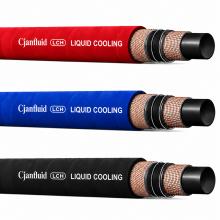
The LCH series hoses are specially developed for liquid cooling systems in semiconductors and data centers. They feature excellent bending flexibility with high...
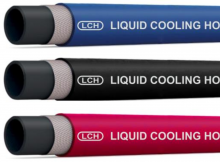
The LCH series fire-resistant EPDM rubber hose is specifically engineered for liquid cooling systems in data centers. With excellent flexibility and a small min...
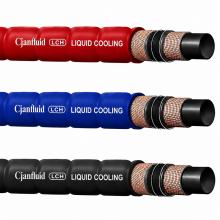
The LCH series hoses are specially developed for liquid cooling systems in semiconductors and data centers. They feature excellent bending flexibility with high...
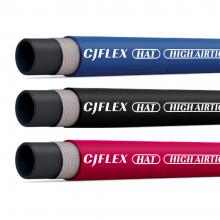
CJFLEX HAT High airtightness hose for liquid cooling system in IDC (Internet Data Center)The HAT series hoses arespecially developed for industries with high ai...
 Mobile

Copyright ©CJan Fluid Technology Co., Ltd. All Rights Reserved


 GLOBAL


